22.01.2026
Author: Daniela Wechsler
Gamification is often seen as a playful add-on, yet it can be a powerful lever for engagement and lead generation when the goal is clearly defined. Using acrevis as an example, we show how gamification was applied not as an end in itself, but as a results-driven approach. The goal was also to make acrevis tangible as a likeable brand and to actively engage passers-by. Going forward, the game will continue to serve as an attention magnet, lead generator and conversation starter with potential new customers.
Gamification begins with a clear goal.
Gamification creates impact not through points or badges but through a clearly defined goal. At the start of the acrevis project, the key question was what outcome we wanted at relevant touchpoints such as the point of sale (POS) and how that would translate into real interaction. The goal was to make acrevis tangible as a likeable brand, actively engage passers-by and generate leads in a simple way. This clarity made it possible to use gamification as a focused tool: an attention magnet and conversation starter with lasting value.
From first ideas to concrete gamification concepts.
Based on the defined goals, jls developed initial gamification ideas internally. In a focused brainstorming session, potential approaches were collected, evaluated and refined into concrete proposals. These ideas were then presented to the client and further developed together. The focus was not on a complex concept, but on realistic, actionable elements that provide real value for users. This pragmatic approach made it possible to gain clarity quickly and make gamification tangible.
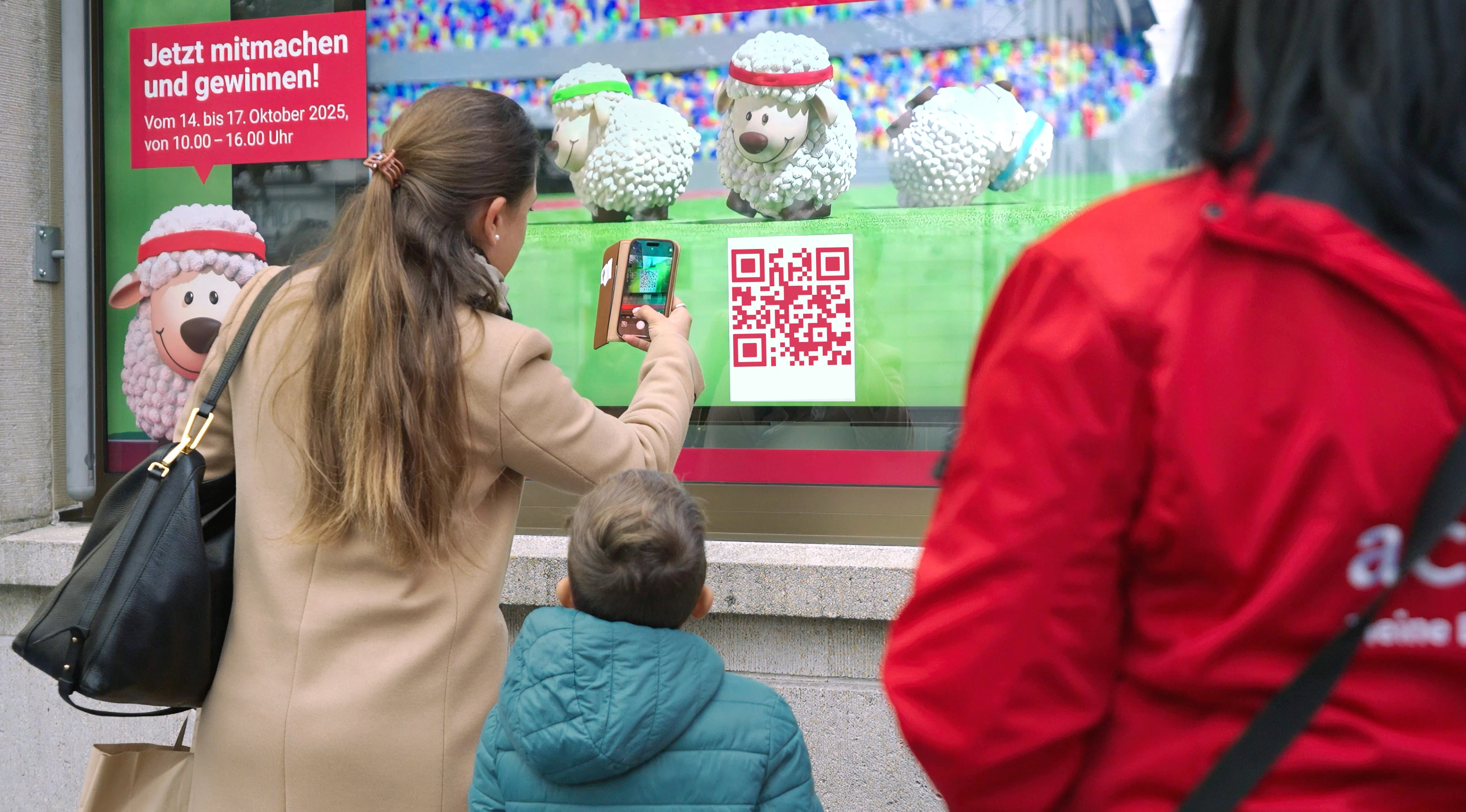
A key value of gamification at acrevis is the immediate experience it creates. The Miro sheep race, featuring acrevis’ mascots, works intuitively and without lengthy explanations. Participants instantly understand what to do, get excited and become actively involved. The playful competition captures attention, sparks emotions and makes passers-by stop. Here, gamification does not act like a navigation system, but as an experience that creates closeness and makes the brand feel friendly and approachable.
The Miro sheep as a digital brand asset.
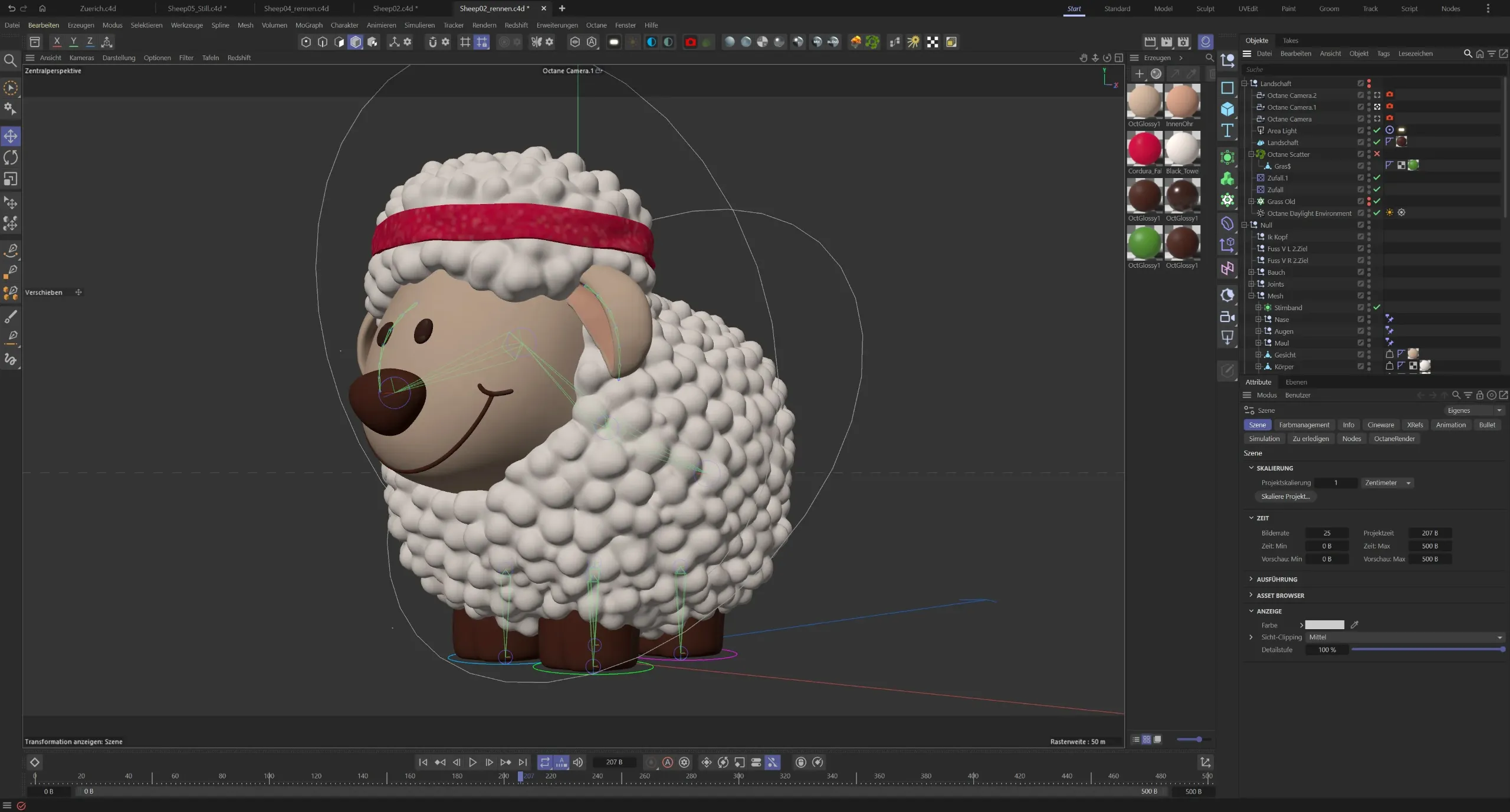
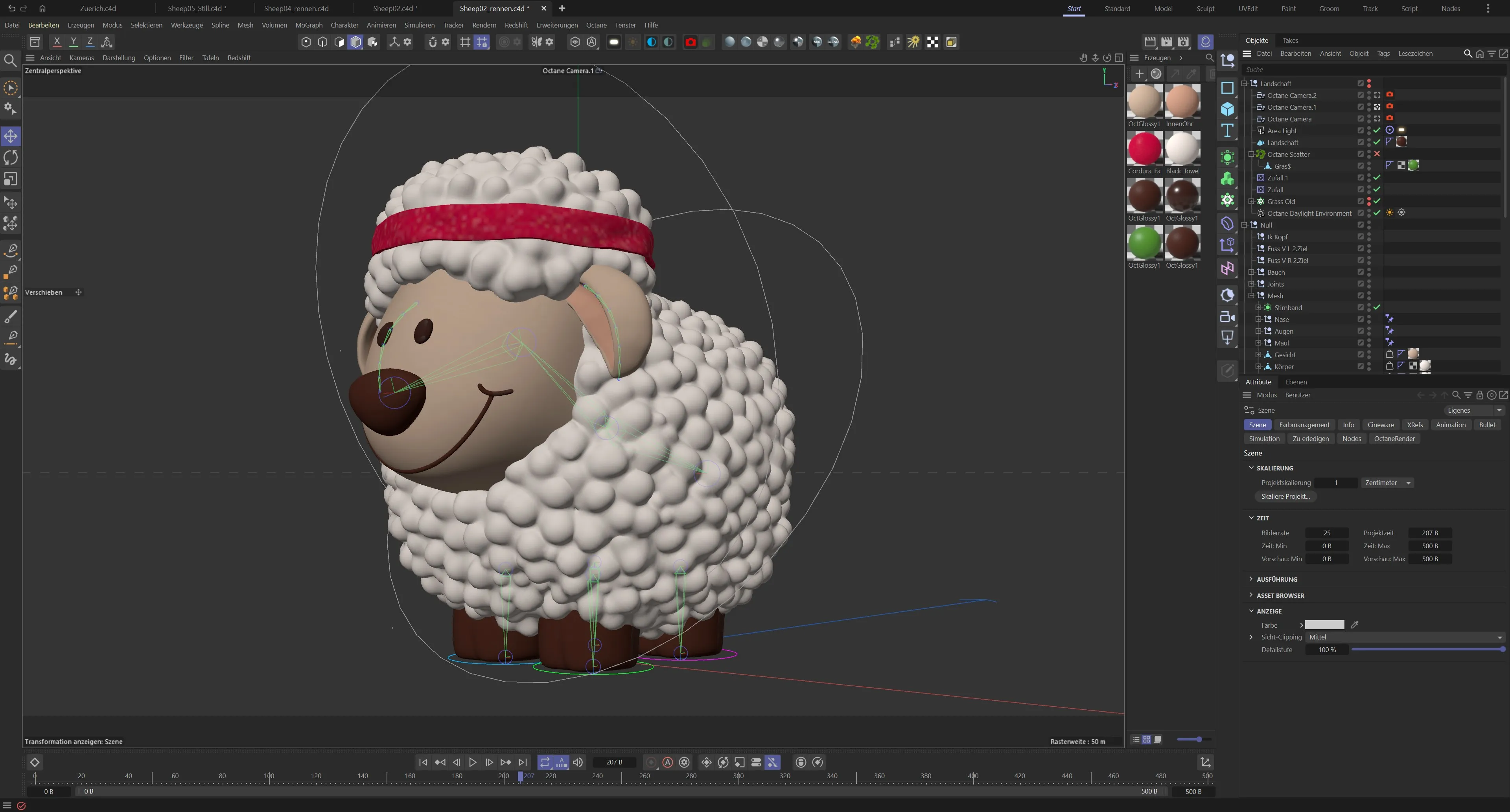
For the Miro sheep race, the acrevis mascot was produced as a 3D animation. This created not only a central element for the game but also a future-proof digital brand asset. The Miro sheep can be used beyond the game for additional digital messages, experiences, or interactive formats. In this way, a single gamification idea became a versatile asset that strengthens the brand long term and makes it consistently tangible.
Use gamification strategically for lead generation.
Alongside interaction, lead generation was a key objective of the Miro sheep race. The game served as a natural conversation starter and lowered the barrier to getting in touch. Participants identified with “their” Miro sheep and could win small giveaways. Anyone who left their contact details also qualified for one of the three main prizes. This turned attention into a personal connection and the game into a powerful attention magnet for lead generation.
Why gamification only works with a clear focus.
The project with acrevis shows clearly: gamification only creates lasting impact when it is used with focus. Instead of packing in as many game mechanics as possible, we centered everything around one clearly defined goal. Every idea had to serve a specific purpose – whether to capture attention, encourage interaction, or generate leads. This consistent focus ensured that the Miro sheep race was perceived as clear, accessible, and a credible brand experience.
Conclusion: Gamification works when the goal is clear
Gamification is not an end in itself, but a powerful lever when the focus is right. The acrevis example shows how clear goals, pragmatic ideas and a playful experience can build engagement and support lead generation. When applied strategically, gamification becomes a meaningful lever for both users and businesses.
FAQs
What is POS gamification and how does it differ from classic advertising?
Gamification turns brand messages into real experiences. POS gamification refers to using game-like elements directly at the point of sale or point of experience to actively involve customers. Unlike classic POS advertising, which is mainly perceived passively, gamification focuses on interaction, participation and experience. Brand messages are not only seen but experienced, exactly where purchase decisions are made.
Which use cases is POS gamification best suited for?
POS gamification is especially well suited for retail and banking but also for brand spaces in general, trade fairs, events, pop-up stores and promotions. Anywhere brands meet customers in a physical setting, gamification can capture attention and create experiences. It is particularly effective for product launches, sales promotions and brand activations where fast interaction and high visibility are key
Which gamification formats work especially well at the POS?
At the POS, short, intuitive and low-friction games work best. Examples include instant games and prize draws such as a slot machine, prize wheel or dropper games (catch games). Also effective are challenges with instant rewards such as discounts or giveaways and quiz formats for playful product education or knowledge transfer. POS gamification should work without explanation and integrate seamlessly into the shopping flow.
Want to see examples? Check out our references here.
What specific goals can gamification achieve in marketing?
These goals can be measured and optimized for both awareness and performance marketing campaigns. Typical outcomes include increased engagement such as longer dwell time and more interactions, qualified lead generation via forms or opt-in options, higher conversion rates for campaigns or promotions and stronger brand loyalty with repeat purchases.
How much effort does it take to implement POS gamification?
The effort required for POS gamification is usually lower than many expect. Thanks to modular concepts and proven mechanics, campaigns can be planned, rolled out and operated efficiently. What matters most is a clear goal definition and early alignment with the technical and spatial conditions on site. This creates effective activation without unnecessary complexity or long lead times.
Interested in talking about gamification?
Get in touch with Daniela:

This might also interest you
Generate leads with gamification in a playful way
acrevis reference: Miro sheep race