27.05.2026
Authors: Jamie Bigler and Lukas Ebnöther
At the end of May, we attended UX Camp Europe 2026 in Berlin as UX designers from jls, one of the largest UX conferences in Europe. Around 600 participants, two intense days and more than 80 sessions, a meeting point for the industry that shows where UX stands today and where it is heading.
UX Camp Europe 2026.
UX Camp Europe is not a typical conference format. As a barcamp, participants can propose and host sessions themselves, spontaneously, on eye level and without a classic keynote stage. This creates a dense agenda directly shaped by the community. Over two days at the Humboldt Forum in Berlin, there were more than 80 sessions covering UX, design and product development. What stood out to us most is that the industry is collectively at a turning point.
The common thread: AI is reshaping the UX profession.
AI was the dominant topic at #uxce26, but not as hype or fear, rather as a practical question. How does AI change day to day design work, and what remains human and essential?
A clear answer emerged. Designers remain a central part of building great software, but the focus is shifting. Empathy, user-centred thinking and understanding complex human needs become more important, while repetitive tasks become more efficient with AI. At jls digital, we are already on this path. We optimise workflows with AI support and automate sub-tasks where it makes sense.
Collaboration over silos, even with AI.
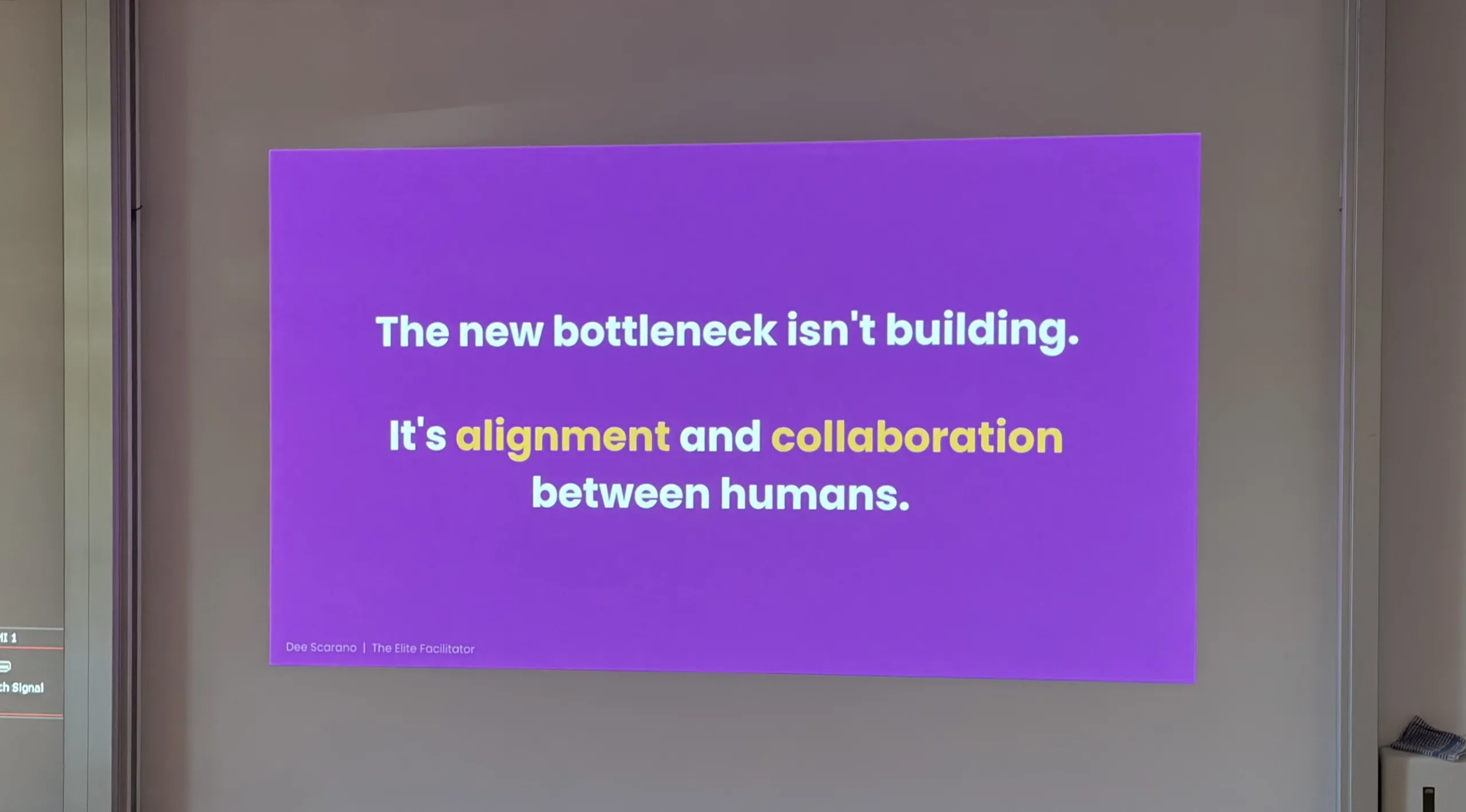
One of the strongest takeaways came from sessions on human collaboration. The design process is compressing, phases move closer together and alignment needs to be more direct and continuous, both between humans and between humans and AI.
This is exactly where the risk sits. The more powerful the tools become, the easier it is for teams to fall into silos and lose consistency. The countermeasure is clear: exchange, transparency and a collaborative culture. AI is not a lone-wolf tool. It needs to be integrated intentionally into the team.
What this means in practice for product teams
- Clarify roles and ownership early, otherwise speed quickly turns into chaos.
- Define standards for quality, language and components, otherwise the product breaks in subtle ways.
- Keep feedback loops short, otherwise friction is simply pushed further downstream.
Figma MCP and new tools in the UX workflow.
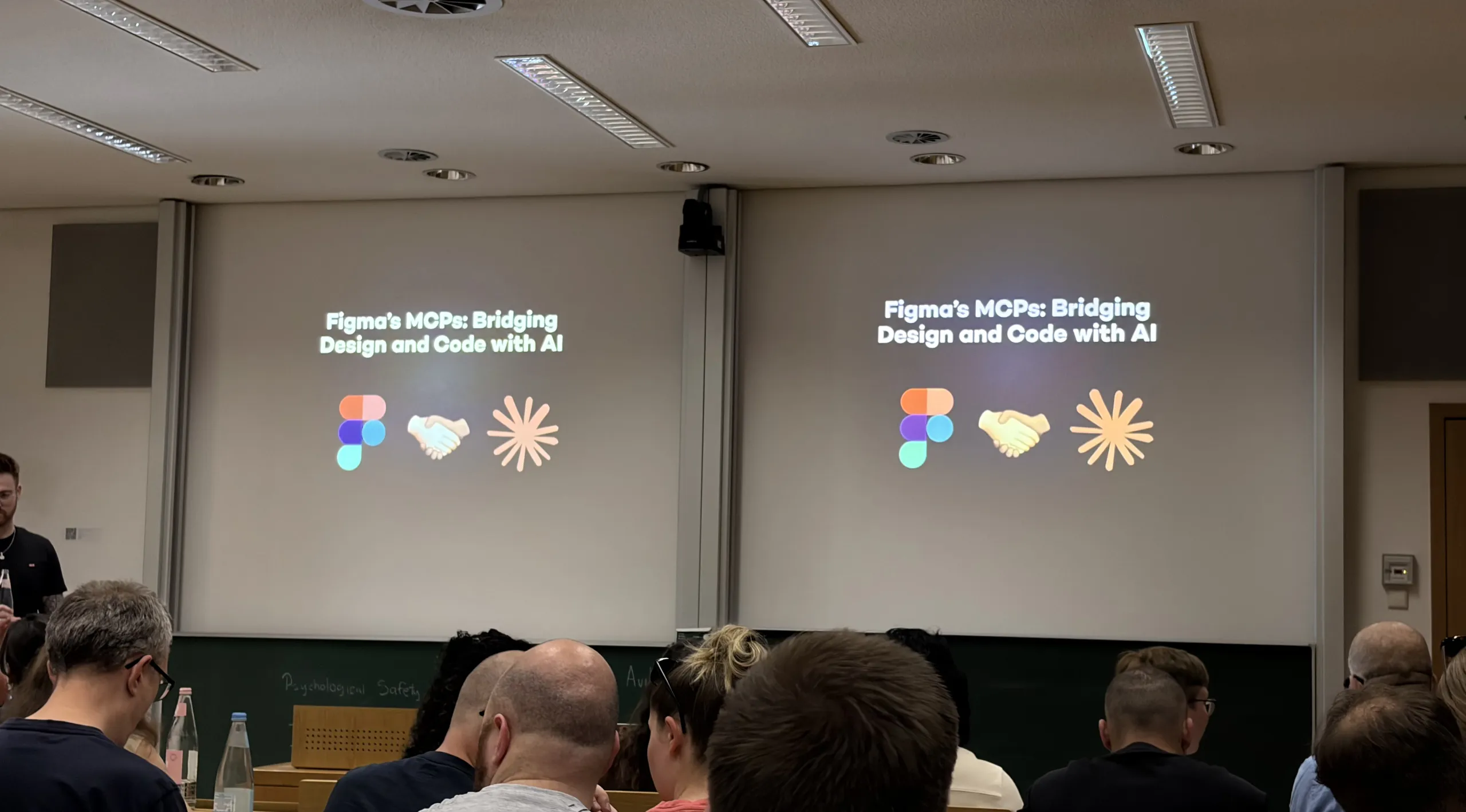
Things got concrete in a Figma MCP demo. It was not new to us as the jls team, but the session provided useful prompts on how Figma can evolve as a central tool in an AI-supported workflow. The demo showed how handoffs and component work can be accelerated through AI integration. This was complemented by trends in mobile design and animation techniques, areas that play a daily role in client work at jls digital.
What we take home: first-hand impressions.
What impressed us most were the conversations with designers from international agencies, startups and large companies. The feeling was the same everywhere: everyone is at the same turning point. The question is no longer whether AI changes the UX profession, but how.
Our key takeaway is this: if you strengthen the human side of design, empathy, storytelling and genuine user understanding, you will be stronger than ever with AI as a multiplier.
Conclusion.
UX Camp Europe 2026 confirmed what we experience every day at jls. AI is not a replacement for good UX design, it is an amplifier. If you master the fundamentals, new tools help you make the difference. We are coming back with fresh ideas, new contacts and even more motivation.
Interested in talking about UX?
Get in touch with Lukas:

FAQs
How does AI change the UX profession?
AI speeds up repetitive tasks such as variants, summaries and early structure drafts. At the same time, empathy, context and sound decision-making become more important, because that is where UX quality is created.
Which UX tasks work well with AI without hurting quality?
Rule-based, repeatable tasks work well, for example abstracting colour tokens or creating early ideation drafts as a starting point for inspiration. It becomes critical in sensitive contexts, prioritisation and the interpretation of user needs, where human accountability is essential.
What does this mean for product teams and collaboration in UX workflows?
Processes compress, feedback loops get shorter and alignment needs to happen more continuously. If AI is used, teams need shared standards, clear roles and transparency, otherwise silos and inconsistencies appear faster.
What do we take from UX Camp Europe 2026 into client projects?
We saw which AI workflows can work well in teams and where they may fail. Based on that, we derive approaches for our collaboration, handoffs and quality standards, which we apply in our jls projects.
Learn more about UX
Blog Post: «UX London 2025»

Blog Post: «Design Maturity»