


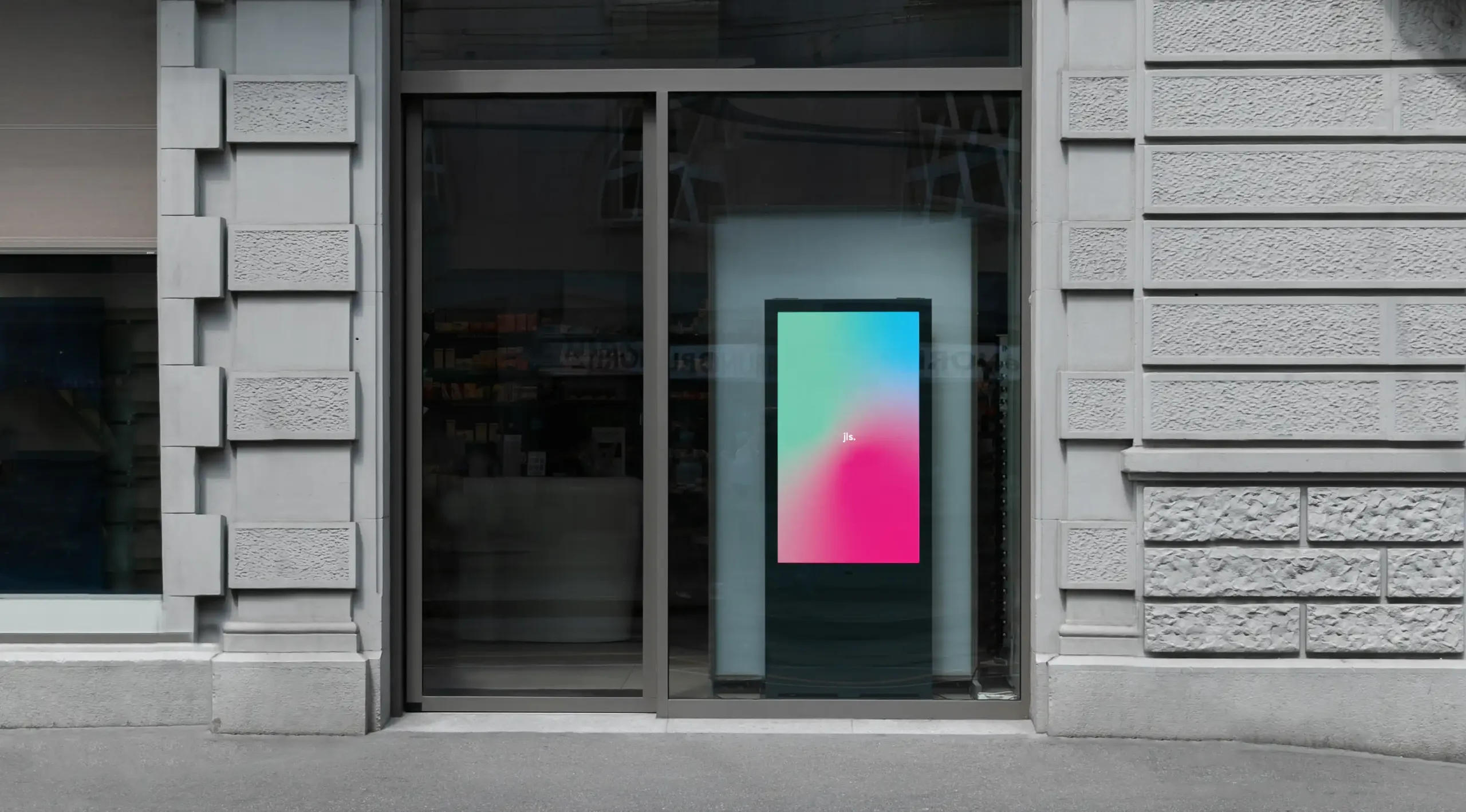
Added value
As the Swiss digital signage market leader, we offer all from a single source: from planning, installation and technical operation to the creating effective content.
The intuitive CMS allows the content process to be automated and offers the possibility to extend CMS functions for customer-specific needs.
Scope of application
Digital communication is used in various sectors at the point of sales (POS) and for internal communication in common areas. Digital signage Displays are widely used: From in-store communication to digital storefront communication to visitor and routing systems.
To our digital signage references.
Benefits

The market leader in Switzerland

General contractor

Communication consultancy

Hotline & proactive monitoring

Remote & on-site support

Expandable CMS
Our Product
insights.
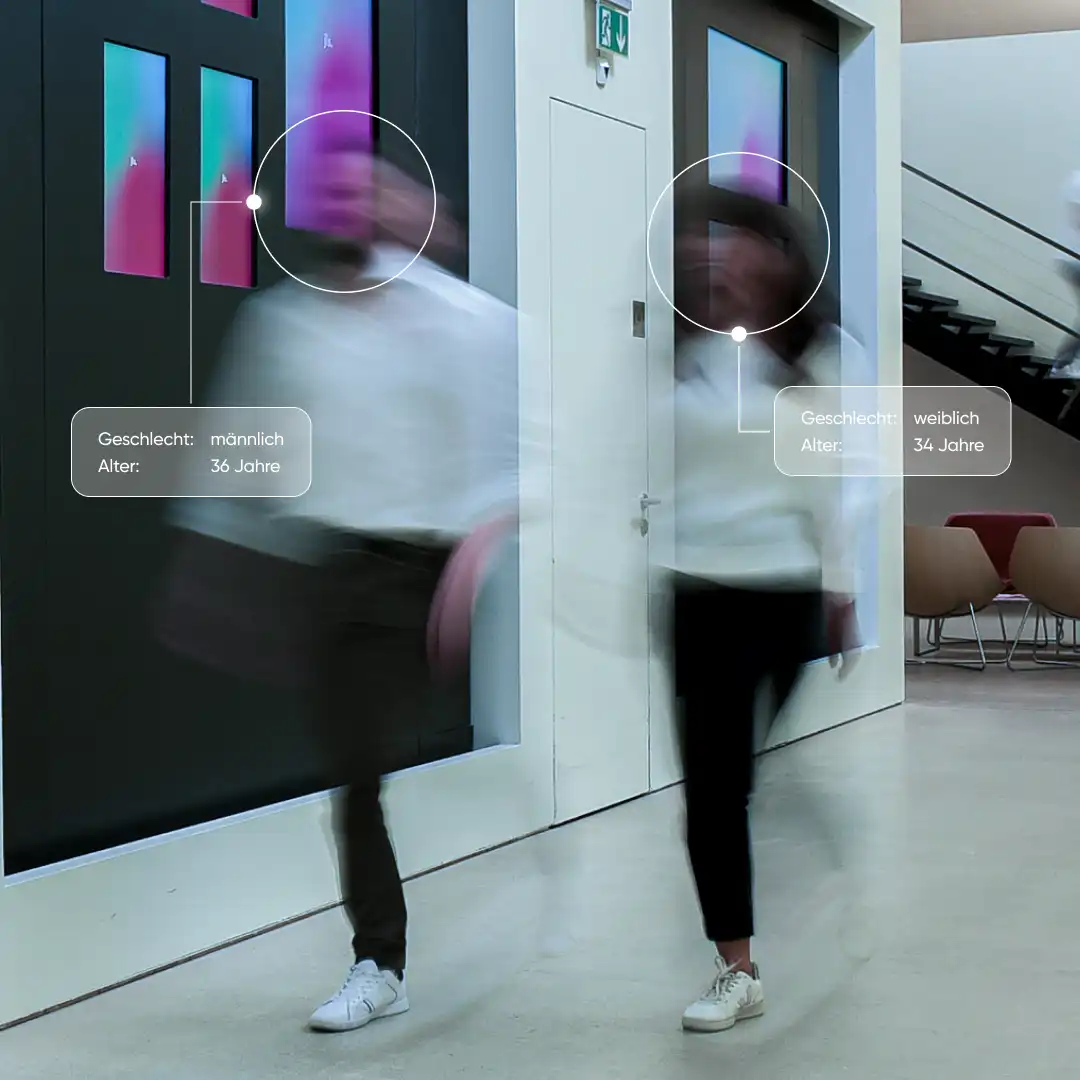
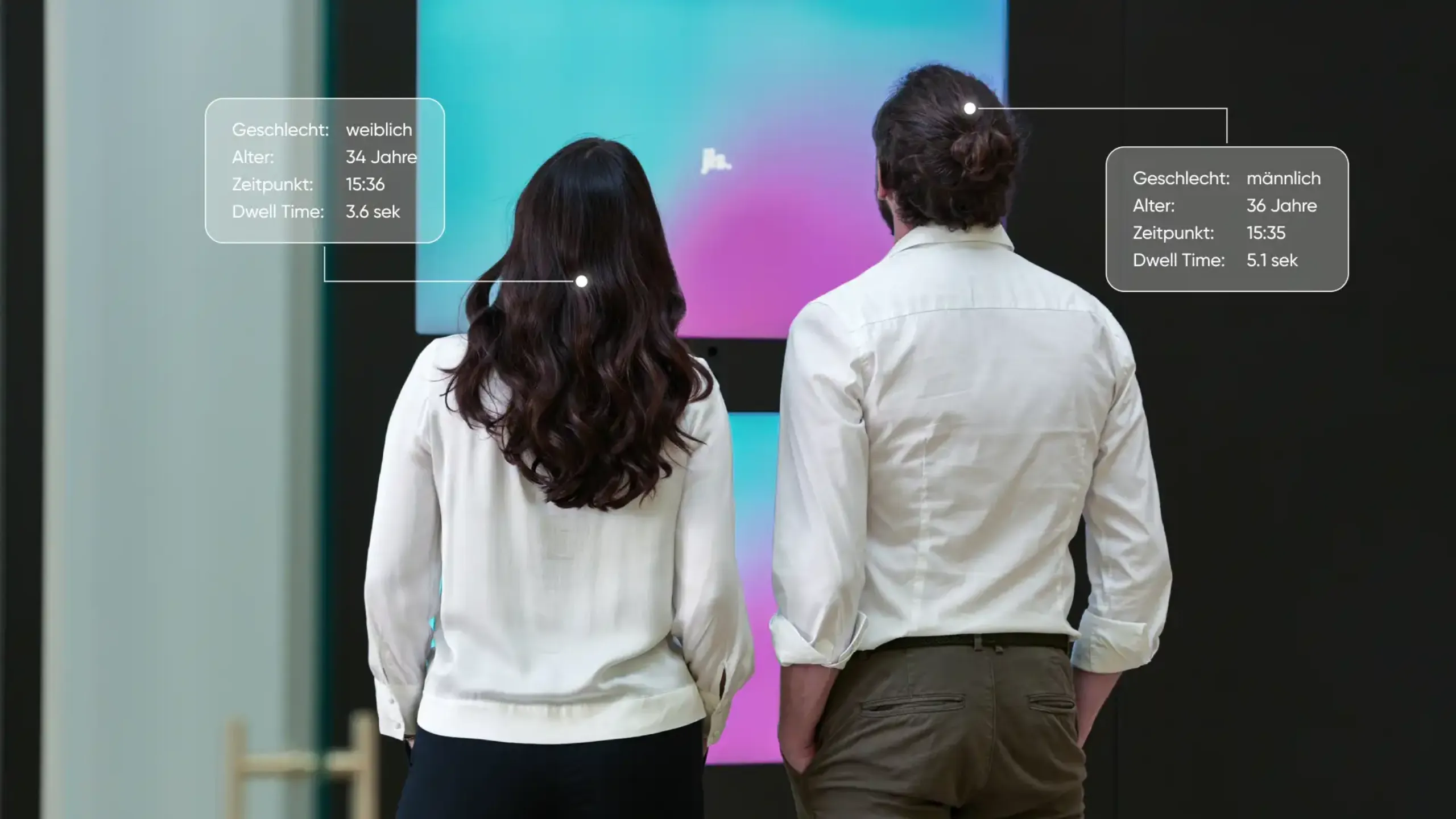
Insights is our sensor-based analytics solution for digital signage at the POS. The optical sensor anonymously measures your customers' attention, recognises age, gender and viewing time, and processes all data locally – quickly, securely and in compliance with data protection regulations.
Within 0.2 seconds, insights provides clear information about who is interacting with your display and when your content is having the greatest impact. The results are visualised in an intuitive dashboard so that you can specifically control your POS communication, compare locations and continuously optimise campaigns.
Insights transforms your digital signage solution into an intelligent, data-driven communication tool – for greater impact at the POS.
How insights works.
Sensor activated: The optical sensor anonymously detects attention in front of your display.
Real-time recognition: Age, gender and viewing duration are automatically recognised without storing any personal data.
Local processing: All data is processed exclusively locally, no cloud upload, no tracking.
Fast analysis: Evaluation takes 0.2 seconds – immediate and efficient.
Data protection guaranteed: Image data is evaluated in real time; no video material is stored.
Make insights visible: In the dashboard, you can see aggregated values for target groups, attention and performance of your displays.
This might also interest you
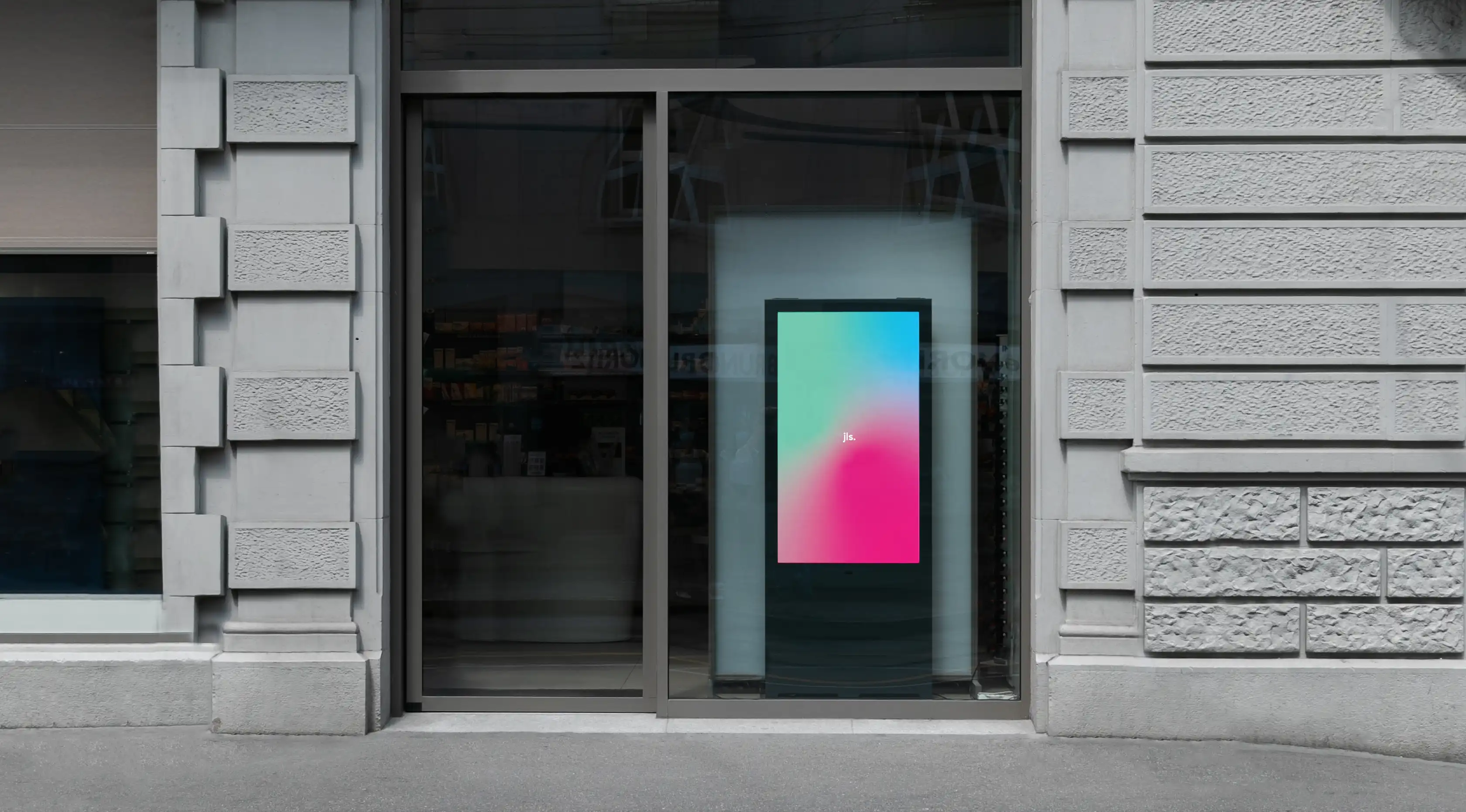
Blog post «Digital signage»
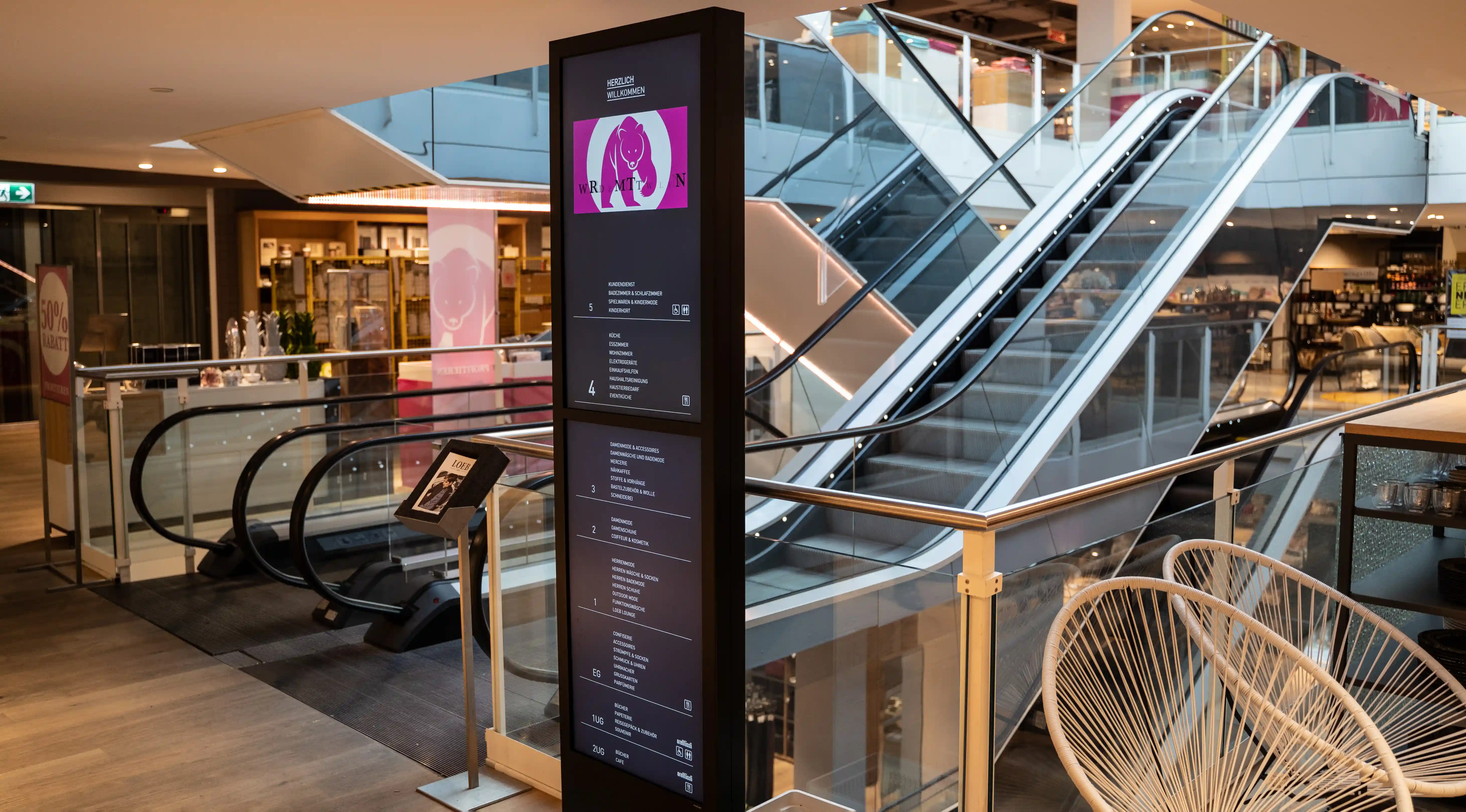
LOEB Reference
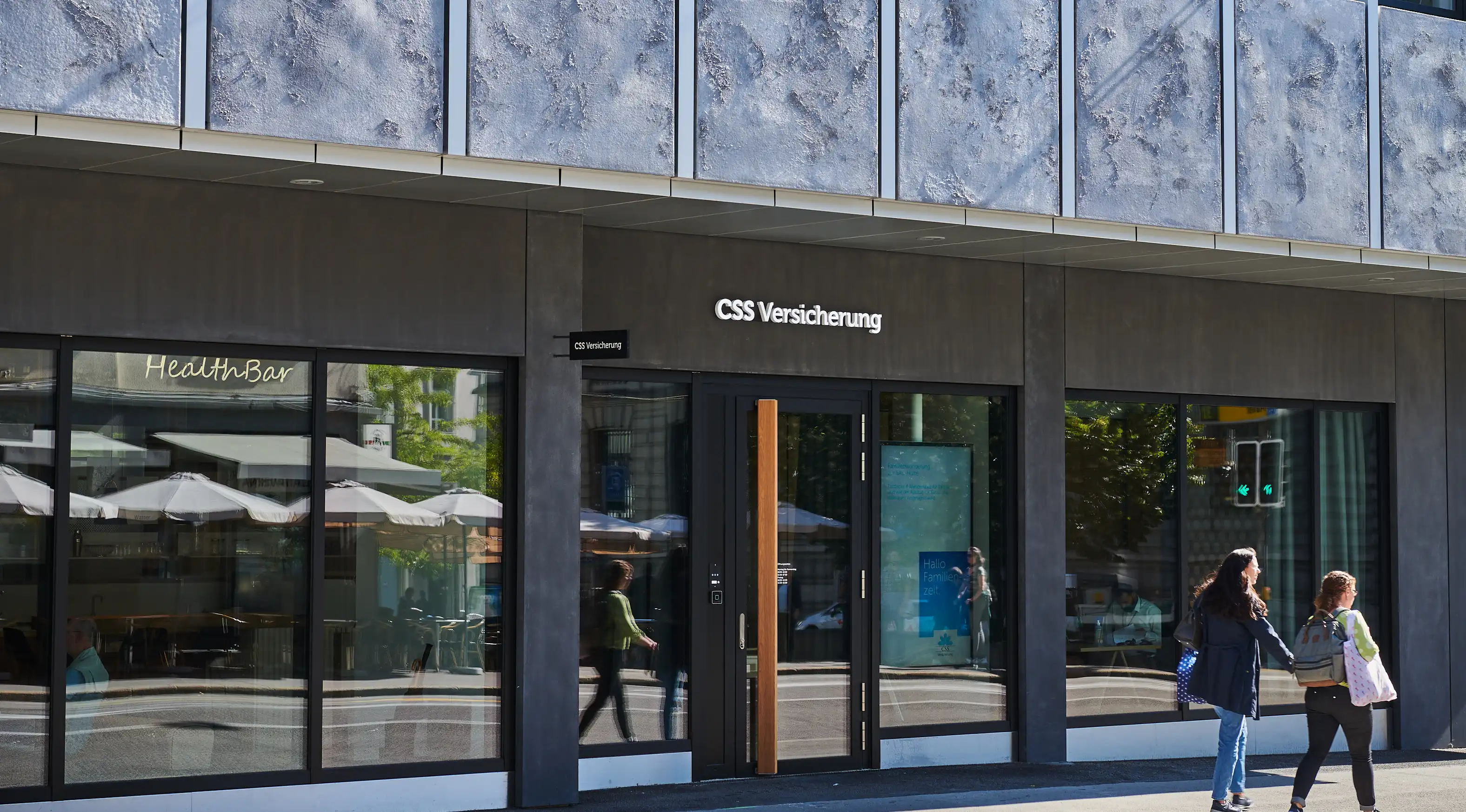
CSS Reference
What do I need to know about Digital Signage at jls?
What is Digital Signage and what value does it deliver?
Digital Signage describes the use of digital displays to deliver information, advertising or real-time data in a location-based way. This includes info screens, interactive displays and LED shop window displays. The benefits are fast updates, targeted delivery and higher visibility where people are on the move.
What is meant by digital shop window communication?
Digital shop window communication uses high-brightness displays or LED shop window displays directly in the shop window to make content visible in public street spaces. It is suitable for offers, campaigns and motion content that remains clearly visible even in strong sunlight. The goal is to reach passers-by early in their decision-making process.
What are interactive displays?
Interactive displays are touchscreens or sensor-based screens that allow users to select or control content themselves. Typical use cases include product information, self-service, advisory situations or wayfinding in spaces. They enable active interaction instead of passive display.
How does a Digital Signage project with jls work?
A project at jls typically includes the following steps:
-
Analysis of existing touchpoints and requirements
-
Concept for display placements, content and technical implementation
-
Selection and planning of the appropriate hardware
-
Installation and technical integration
-
CMS setup and test operation
-
Handover to operations including monitoring and support
Depending on the requirements, interactive displays, digital shop window communication or interactive wayfinding systems can also be part of the overall solution.
In addition, Digital Signage projects can be connected with further digital building blocks:
-
Analysis of existing touchpoints and requirements
-
Gamification with backend logic for points, levels or challenges across screens, apps and web
-
Mobile apps & PWA as the technical foundation for mobile use, including PWA development
-
Websites & self service portals with stable architecture, portal logic and integrations
-
Content automation for automated content creation based on templates, rules and data sources
This ensures that Digital Signage is not implemented as an isolated solution but as part of a connected digital ecosystem.
Which technologies does jls use for Digital Signage?
Different display technologies are used depending on environment and purpose:
-
Classic displays for indoor areas
-
LED shop window displays for high brightness in shop windows
-
LED walls for large surfaces
-
Interactive wayfinding systems for orientation in buildings
-
Touch or sensor technology for interactive applications
The choice depends on lighting conditions, viewing distance, content type and the desired level of interaction.
Which CMS does jls use for content playback?
jls uses its own CMS called “my jls”. It supports central control of all displays, time- or location-based delivery and the integration of data sources. Content can be automated, for example via rules or attributes, which is especially beneficial for networks with many locations.
Does jls support content and motion design?
Yes. For Digital Signage, jls produces motion content, templates and animations tailored to the specific display format. If needed, content is generated automatically from data or parameters so it stays up to date without manual effort.
In which industries does jls implement Digital Signage?
At jls, Digital Signage is used for example in retail, banking, public spaces and internal corporate communications. Depending on the use case, different elements such as digital shop window communication, interactive displays or interactive wayfinding are used.
How secure and stable is operations (IT & Security)?
At jls, Digital Signage is treated as a critical IT system, not as an isolated marketing solution. Operations are designed and implemented from the start according to professional IT standards.
Systems can be integrated seamlessly into existing client networks or alternatively operated as a fully separated environment. jls solutions support common security mechanisms such as:
-
Secured network segments (VPN / VLAN)
-
Role-based user permissions in the CMS
-
Encrypted data transmission
-
Central device management and monitoring
-
Hardened operating systems
-
ISO 27002 certified CMS
-
User authentication via MFA or SSO
All components used (players, displays, software) are reviewed in advance and built for continuous operation in professional environments. This ensures content is delivered stably, reliably and in a controlled manner, even during large rollouts with many locations.
What happens if there is a technical issue?
jls supports customers not only during the implementation of Digital Signage but also in ongoing operations.
Display status is monitored centrally. This means many issues can be detected and resolved proactively before they become visible to end users. In the event of an incident, clearly defined support processes apply:
-
Hotline available on weekdays by phone or email
-
Central system monitoring (proactive supervision)
-
Remote support for fast troubleshooting
-
Defined response times (SLA depending on contract)
-
On-site service by jls when needed
-
Integration into existing ticketing solutions (e.g. ServiceNow) when required
The goal is to minimize downtime and keep operational effort for the customer as low as possible. The customer has one central point of contact for hardware, software and operations without coordination effort across different vendors.
How do I measure the success of Digital Signage?
The success of Digital Signage can be measured on different levels depending on the goals of the project. On a technical and content level, systems can provide metrics such as:
-
Number of content play-outs per screen and time period
-
Availability and system stability of the screens
On a business level, jls helps customers define relevant KPIs and measure them with internal or external tools and partners. Possible measurable KPIs include:
-
Reach (locations, footfall, impressions)
-
Target groups, attention and performance of individual content campaigns
-
Conversion (e.g. product inquiries, appointment bookings)